
Enamel pin durability guide
Do Enamel Pins Last? A Complete Guide to Enamel Pin Durability, Care & Storage
Enamel pins can last for years, and sometimes decades, when they are made well and cared for properly.
This guide explains how long enamel pins last, what makes custom pins durable, why quality matters, how to prevent rust and scratches, how to clean enamel pins, how to store a pin collection and how to protect pins worn on jackets, backpacks, hats and bags.

Quick answer
Do enamel pins last?
Yes. Enamel pins can last a very long time when they are made with quality metal, secure pin backs, well-filled enamel, clean plating and careful finishing. The biggest threats to enamel pin longevity are moisture, rough handling, weak pin backs, scratches, poor storage and low-quality manufacturing.
A well-made enamel pin stored safely or worn carefully can last for many years and become a long-term collectible.
Water exposure, humidity, bent pin posts, weak backings, scratches, chemicals, sunlight, hard knocks and poor storage can shorten the lifespan.
Simple verdict: enamel pins are durable, but they are not indestructible. Treat them like small pieces of wearable art and they can stay beautiful for years.
Quick navigation
What you’ll learn in this enamel pin care guide
Pin construction
What are enamel pins made from?
Enamel pins are miniature wearable artworks made from a metal base and coloured enamel. Many custom pins are made from metals such as iron, brass, copper alloy or zinc alloy, then finished with plating such as gold, silver, black nickel, rose gold or dyed metal.
The coloured areas are filled with enamel or enamel-style colour material, then finished depending on whether the pin is soft enamel, hard enamel, die-struck, printed or another custom pin style.
Creates the pin shape, structure and strength.
Adds the visible metal colour and finish.
Adds colour, detail and visual character.
Smooths the surface and improves final presentation.
Attach the pin to fabric, bags or display boards.
Secure the pin and reduce the risk of losing it.
Quality matters
Why high-quality enamel pins last longer
The durability of an enamel pin depends heavily on production quality. A better-made pin usually has a stronger metal base, cleaner plating, more secure posts, better enamel fill, smoother finishing and stricter quality control.
Cheaper pins can still look good at first, but thin metal, weak posts, poor plating, shallow colour fill, rough polishing or loose backings can make them easier to bend, scratch, rust, fade or lose.
| Quality factor | Why it matters | What to look for |
|---|---|---|
| Metal thickness | Thin pins can bend more easily over time. | A sturdy pin that does not feel flimsy. |
| Clean plating | Poor plating may tarnish, chip or look uneven faster. | Smooth, even metal colour across the pin. |
| Secure posts | Weak posts can bend or snap when worn on thick fabric. | Posts that feel firmly attached and straight. |
| Strong backing | Weak backings make pins easier to lose. | Metal clutch backs or locking backs for higher security. |
| Quality control | Better inspection reduces defects, scratches and missing enamel. | Clear photos, samples or trusted factory reviews. |
Pinlord tip: if you are making custom pins, choose a manufacturer based on quality, communication and proofing, not just the lowest unit price.
Pin type comparison
Do hard enamel pins last longer than soft enamel pins?
Hard enamel pins are generally more scratch-resistant because the enamel is filled and polished flat with the metal lines. This gives the pin a smooth surface that can better resist everyday wear.
Soft enamel pins are also durable, but the enamel sits slightly lower than the raised metal lines. This textured surface can make soft enamel pins more vulnerable to visible scratches or dirt collecting in recessed areas if they are heavily used.
Best for premium, polished, long-term pins, corporate gifts, keepsakes and designs that need a smooth surface.
Great for colourful artist merch, textured designs, budget-friendly pins and collector pieces that are not exposed to rough daily wear.

Pin backings
The right pin backing helps your enamel pins last longer
A durable enamel pin is not just about the front of the pin. The backing matters too. A weak or loose backing can cause the pin to fall off, get lost, scratch against other objects or become damaged after dropping.
| Pin backing type | Best for | Durability note |
|---|---|---|
| Rubber clutch | Display boards, light wear, lower-cost pins. | Comfortable but can loosen over time. |
| Metal clutch | Everyday wear, jackets, hats and standard pin collecting. | Usually more secure than rubber backs. |
| Locking pin back | Bags, backpacks, travel, valuable pins and thick fabric. | Best option when you really do not want to lose the pin. |
| Magnetic backing | Delicate fabrics where you do not want holes. | Useful but not ideal for heavy movement or thick materials. |
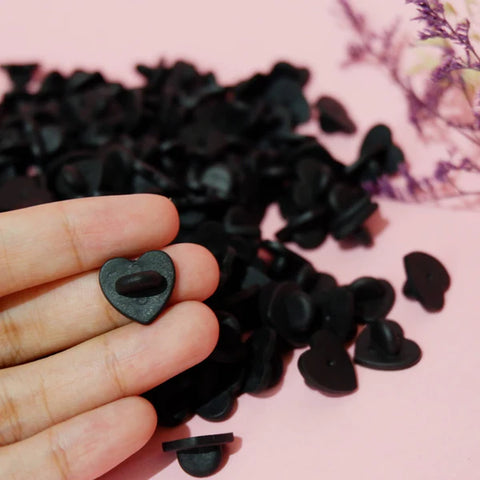
Best choice for valuable pins: use locking pin backs when wearing rare, limited-edition or sentimental enamel pins outside.
Moisture and rust
Do enamel pins rust?
Enamel pins can rust, tarnish or discolour if they are exposed to water, humidity or harsh conditions for long periods. The risk depends on the metal, plating quality, exposed edges, storage conditions and how quickly the pin is dried after getting wet.
A quick splash may not ruin a pin immediately, but regular moisture exposure can damage metal, backing cards, plating and pin posts over time.
Avoid moisture whenever possible. Do not leave enamel pins in bathrooms, wet bags, damp storage boxes, outdoor rain exposure or humid areas for long periods.
- If a pin gets wet: dry it fully with a soft cloth as soon as possible.
- If storing pins long-term: keep them in a cool, dry place.
- If displaying pins: avoid damp walls, bathrooms and direct sunlight.
- If shipping pins: use protective packaging to avoid moisture damage in transit.
- If wearing pins outside: remove valuable pins before heavy rain or rough activity.
Storage
How to store enamel pins safely
Good storage is one of the easiest ways to make enamel pins last longer. When pins are thrown into drawers, bags or boxes together, they can scratch each other, bend posts, damage backing cards or chip plating.
Pin boards, display cases, collector binders, jewellery boxes, soft pouches, backing cards and separated storage compartments.
Loose pins in drawers, damp rooms, direct sunlight, heavy stacking, pins rubbing together and storing pins without backs.

Collector tip: keep original backing cards if you care about resale, trading or long-term collector value.
Cleaning guide
How to clean enamel pins without damaging them
Most enamel pins only need gentle cleaning. Harsh chemicals, abrasive brushes and rough cloths can scratch plating, damage enamel, weaken paint or discolour the surface.
Use a soft, dry cloth to wipe the front and back of the pin.
Use a small amount of mild soap and water only if needed.
Do not submerge pins in water or leave them wet.
Pat dry with a soft cloth and make sure posts and edges are dry.
Make sure the pin back is clean, secure and not rusting.
Return the pin to a dry board, case, card or storage box.

Wearing tips
How to wear enamel pins without damaging or losing them
Wearing enamel pins is part of the fun, but movement, friction and rough use can increase wear. Pins worn on backpacks usually experience more stress than pins worn on jackets, hats or displayed on boards.
- Use locking backs for backpacks, travel bags and valuable pins.
- Avoid overloading thin fabric with heavy or oversized pins.
- Remove pins before washing clothing to avoid water, heat and movement damage.
- Avoid placing pins where they rub constantly against straps, seats or other accessories.
- Check pin backs regularly if you wear your pins often.
- Rotate your collection to reduce wear on individual pieces.
Best practice: wear everyday pins freely, but use extra care with rare, sentimental, limited-edition or expensive pins.
Damage checklist
What can shorten the life of an enamel pin?
Enamel pins are durable, but the wrong conditions can damage even a well-made pin. Use this checklist to avoid the most common causes of wear.
| Risk | What can happen | How to prevent it |
|---|---|---|
| Water and humidity | Rust, tarnish, discolouration or damaged backing cards. | Keep pins dry and store them away from damp areas. |
| Rough handling | Bent posts, scratched enamel or loose backs. | Remove pins gently and avoid pulling them aggressively. |
| Poor storage | Scratches, rubbing, missing backs and bent posts. | Use pin boards, cases, cards or divided storage. |
| Direct sunlight | Possible colour fading, heat damage or backing card fading. | Display pins away from harsh direct sunlight. |
| Chemicals | Plating damage, discolouration or surface dullness. | Avoid perfumes, cleaning products and harsh chemicals. |
For custom pin makers
How to make custom enamel pins more durable
If you are creating custom enamel pins, durability starts before production. Good artwork, realistic sizing, the right enamel type, secure backing choices and a reliable manufacturer can all improve the final product.
Hard enamel can be better for premium durability, while soft enamel can be better for textured detail and budget-friendly runs.
Thin lines, tiny cutouts, delicate edges and oversized shapes can be more vulnerable to bending or production issues.
Two posts, metal clutches or locking backs can make larger or heavier pins more secure.
Choose a manufacturer that provides clear proofs, production advice, quality checks and finished product photos.
More resources
Helpful Pinlord guides for enamel pin collectors and makers
Learn the full custom enamel pin process from artwork to finished product.
Compare pin finishes, cost, durability and best use cases.
Learn why rarity, quality, licensing and collector demand affect pin prices.
Create better production-ready artwork before sending it to a factory.
Compare suppliers and learn how to work with custom pin factories.
Browse Pinlord’s custom product catalogue for pins, charms, patches, stickers and more.
FAQs
Frequently asked questions about enamel pin durability
Do enamel pins last?
Yes. High-quality enamel pins can last for years when they are made well, stored safely and kept away from moisture, harsh chemicals and rough handling.
How long do enamel pins last?
A well-made enamel pin can last many years, and collector pins can last decades when stored properly. Lifespan depends on materials, plating, enamel type, backing quality, storage and how often the pin is worn.
Do enamel pins rust?
Enamel pins can rust or tarnish if they are exposed to water, humidity or damp storage for long periods. Keep pins dry and wipe them immediately if they get wet.
Are hard enamel pins more durable than soft enamel pins?
Hard enamel pins are usually more scratch-resistant because the surface is polished flat. Soft enamel pins are still durable, but the recessed enamel areas may show wear more easily over time.
How do I clean enamel pins?
Use a soft dry cloth for regular cleaning. If needed, use a small amount of mild soap and water, wipe gently, avoid soaking, and dry the pin fully before storing it.
What is the best way to store enamel pins?
Store enamel pins on a pin board, in a display case, collector binder, jewellery box or divided storage container. Keep them dry, separated and away from direct sunlight or humidity.
What pin backs are best for durability?
Metal clutch backs are usually more secure than rubber backs, while locking pin backs are best for valuable pins worn on backpacks, jackets, hats or thick fabric.
Can I wear enamel pins on a backpack?
Yes, but backpacks create more movement and friction than jackets or display boards. Use locking backs for valuable pins and check the pin backs regularly.
Can Pinlord help me make durable custom enamel pins?
Yes. Pinlord helps makers, artists, brands and communities create custom enamel pins and ethical custom products.
Final thoughts
Enamel pins can last for years with the right care
Enamel pins are durable, collectible and made to be worn, displayed and enjoyed. The key is choosing quality pins, using secure backings, avoiding moisture, cleaning them gently and storing them safely.
Whether you are a collector protecting your favourite designs or a maker creating custom enamel pins, small care habits can help your pins stay beautiful for years.


Comments (0)
Be the first to comment
Leave a comment
Share your thoughts below. Comments may be reviewed before publishing.